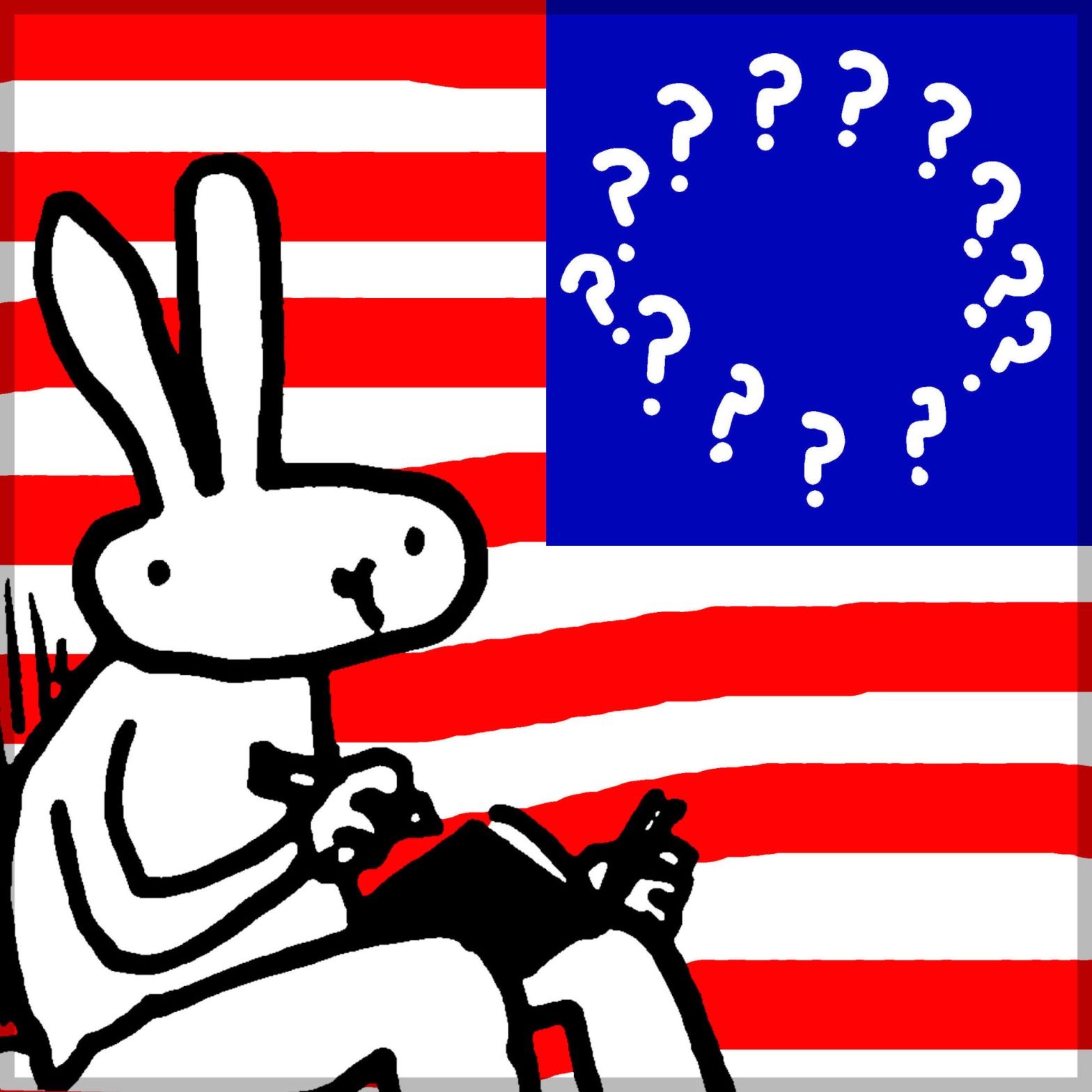
Sketches, comics, & more — Exploring 1776, the Revolution, & what it means to US today… ✏️
In collaboration with:

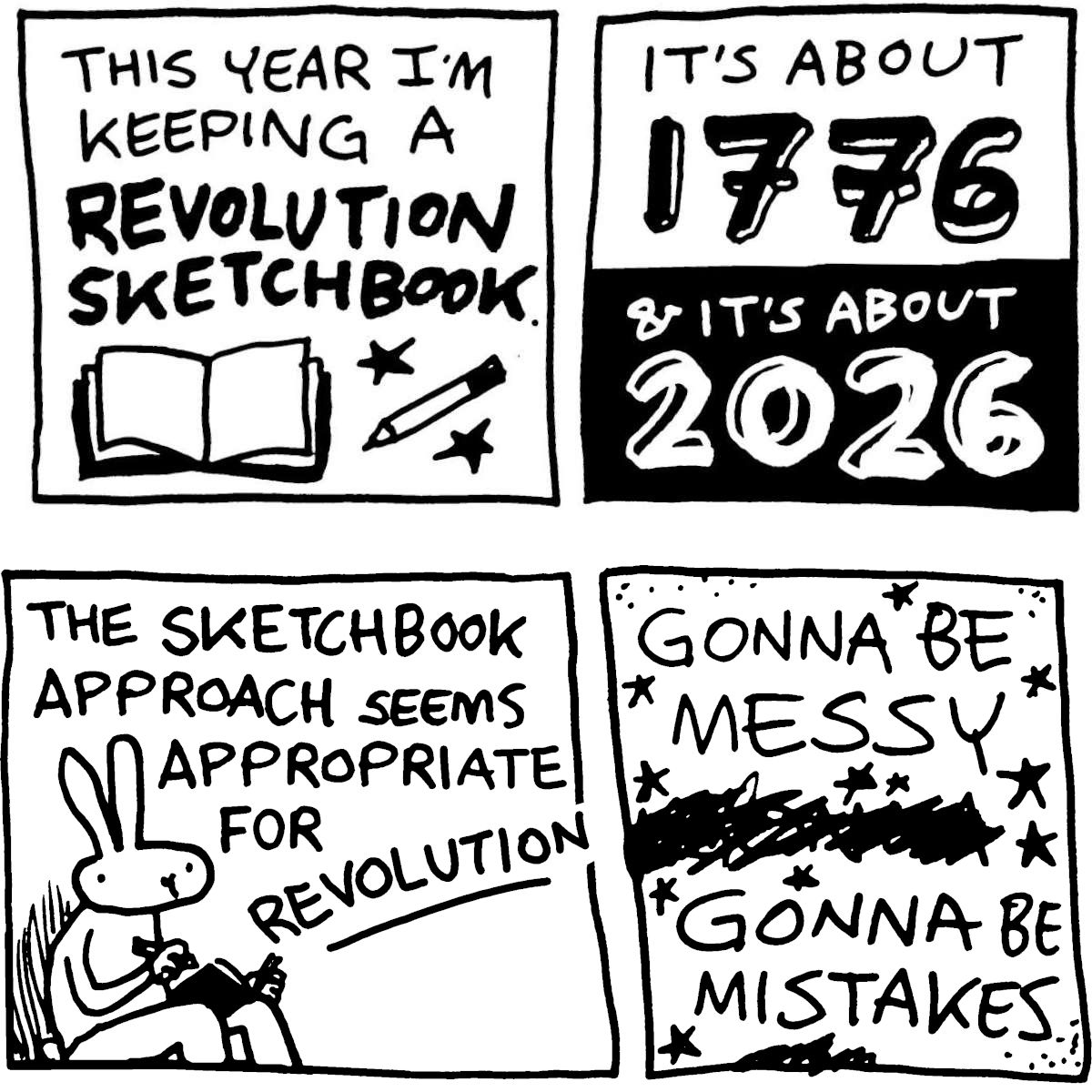
Revolution Sketchbook 📖 INTRO
Announcing a year-long statewide project! Drawing as many places & stories as possible… 💬
FEATURED COMICS:
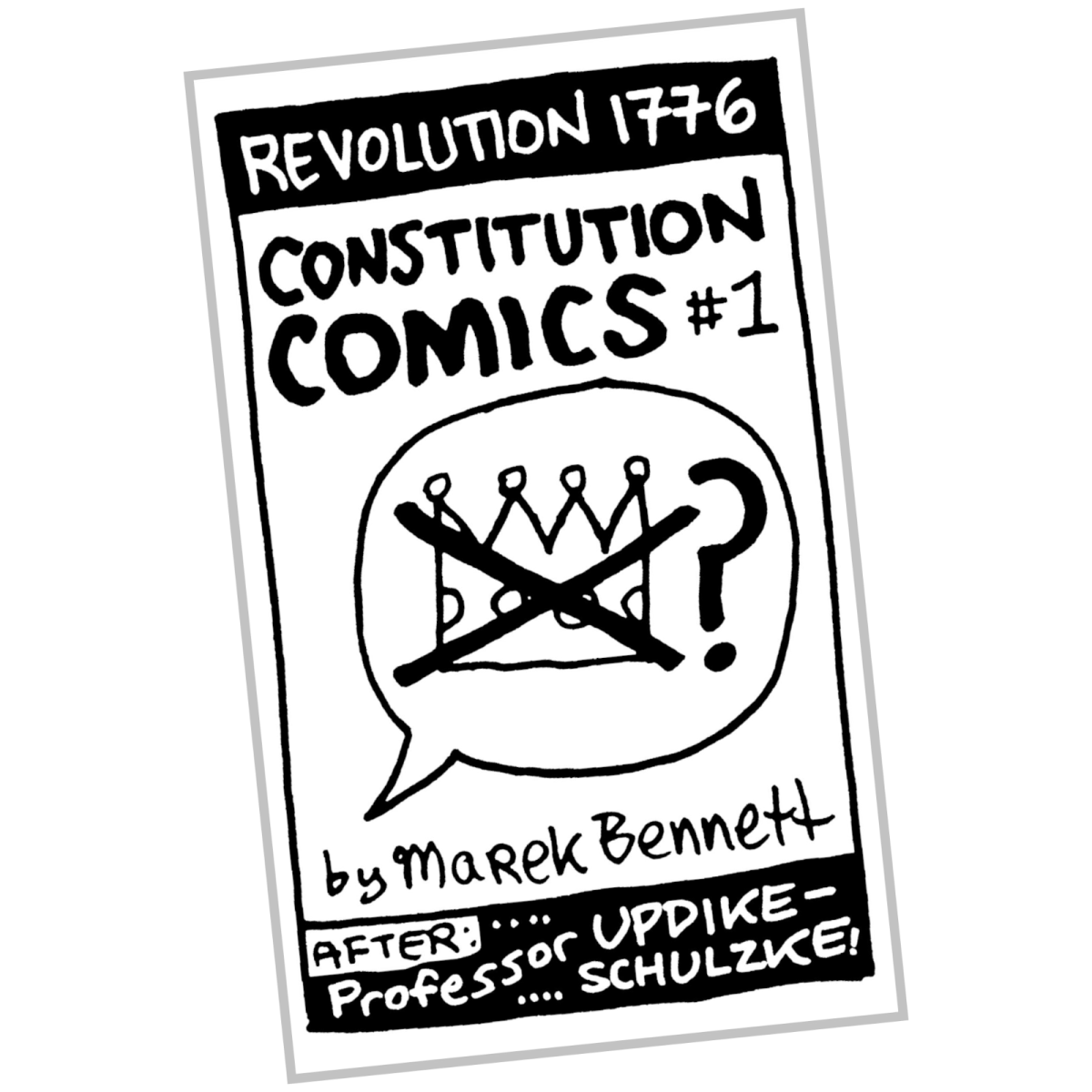
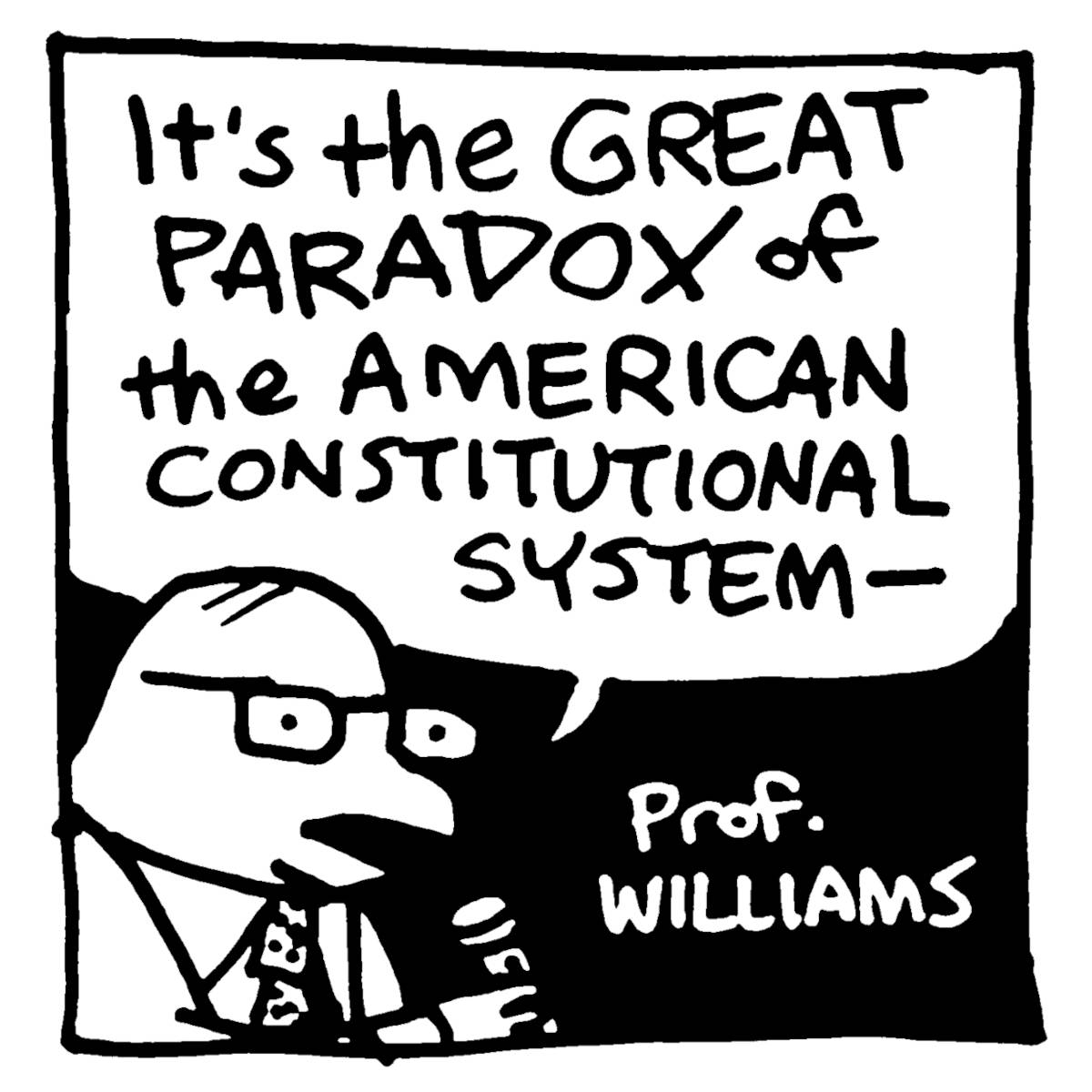
1776 CRIMES OF THE KING
Drawn from the “List of Grievances” in the US Declaration of Independence…
1779 Petition to End Slavery in NH
WORK IN PROGRESS // Drawn from an 18th century antislavery text…
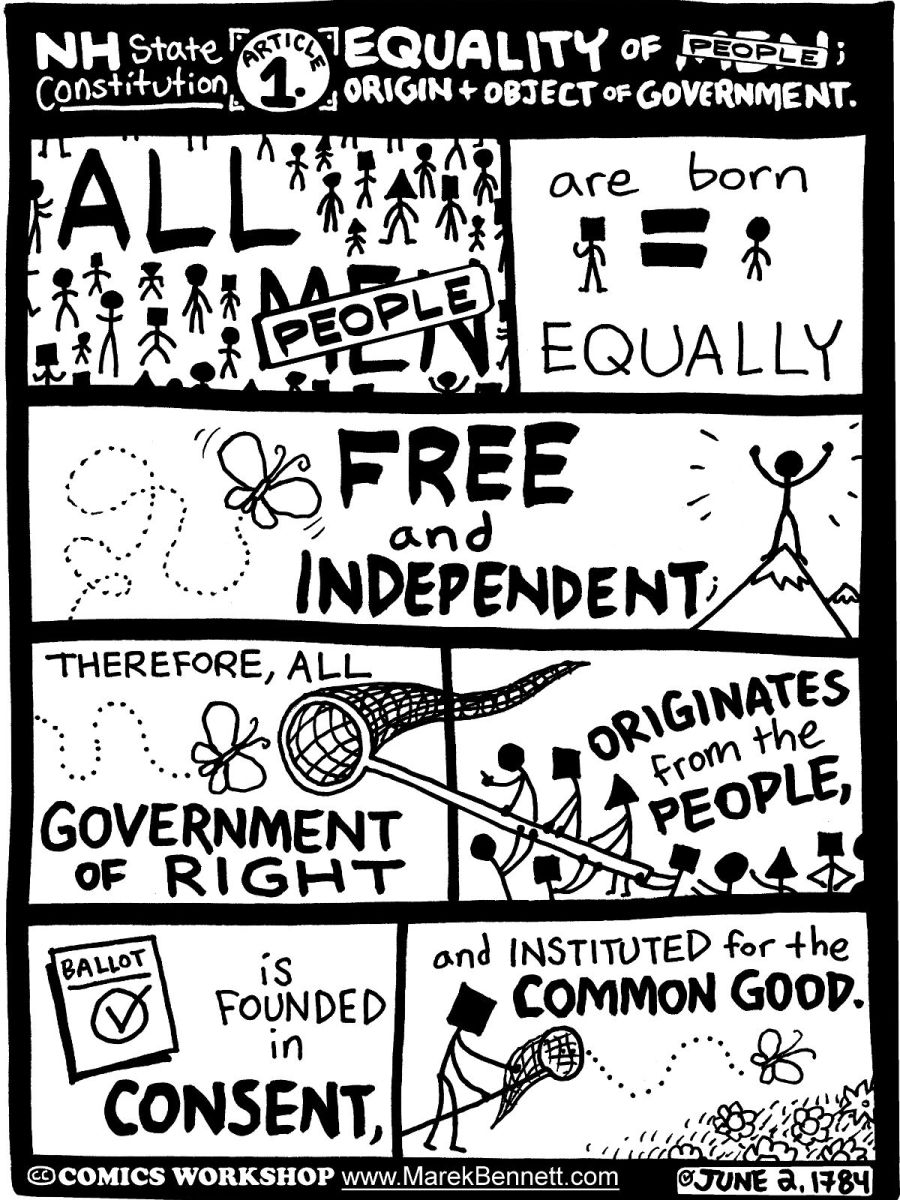
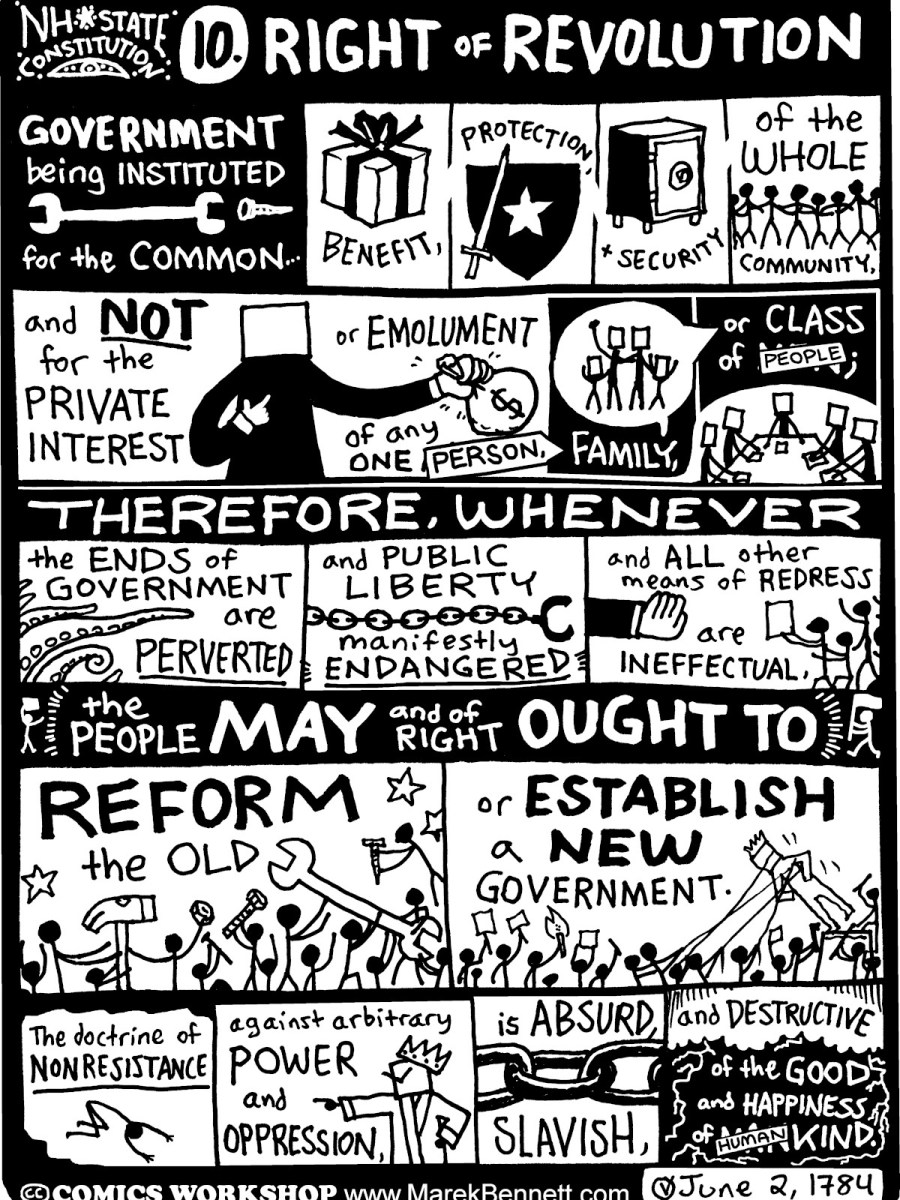
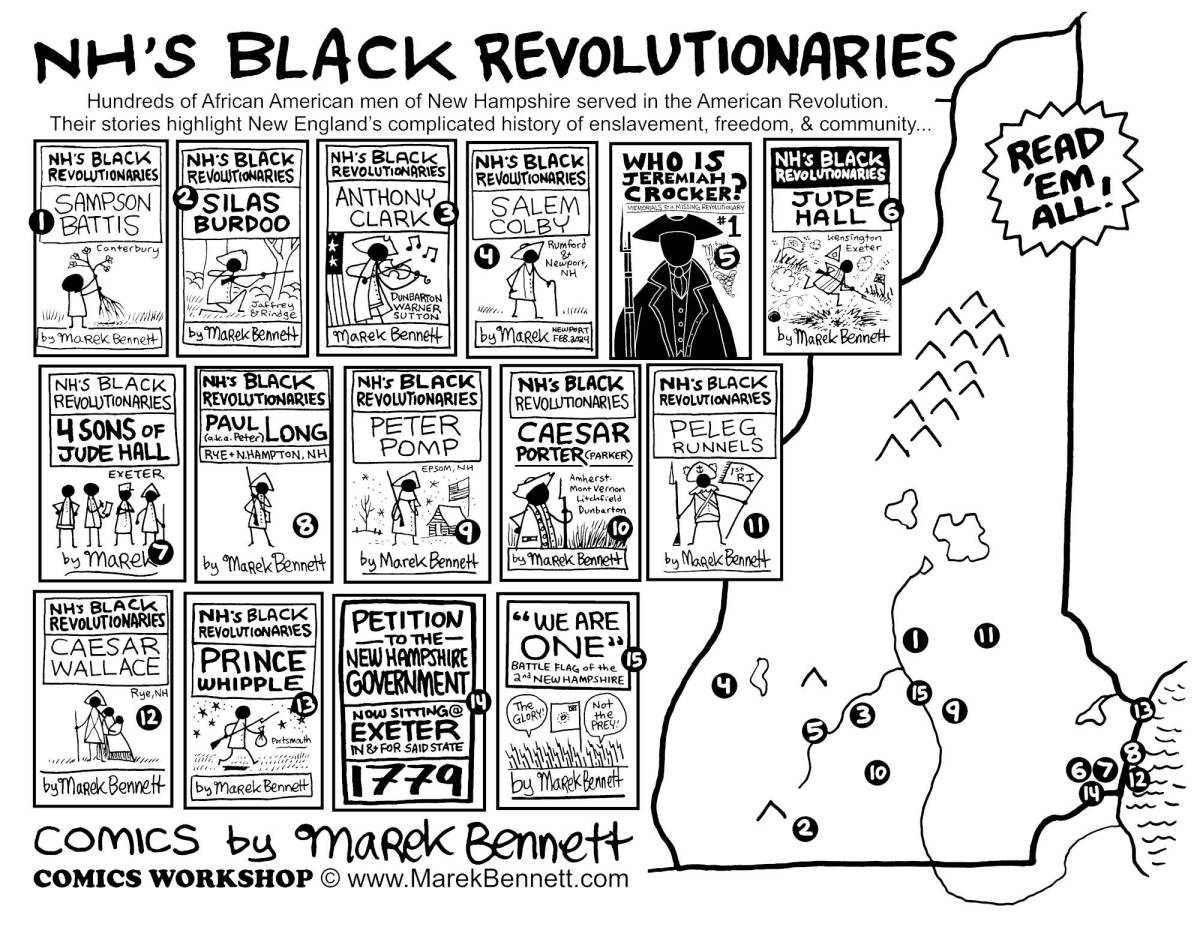
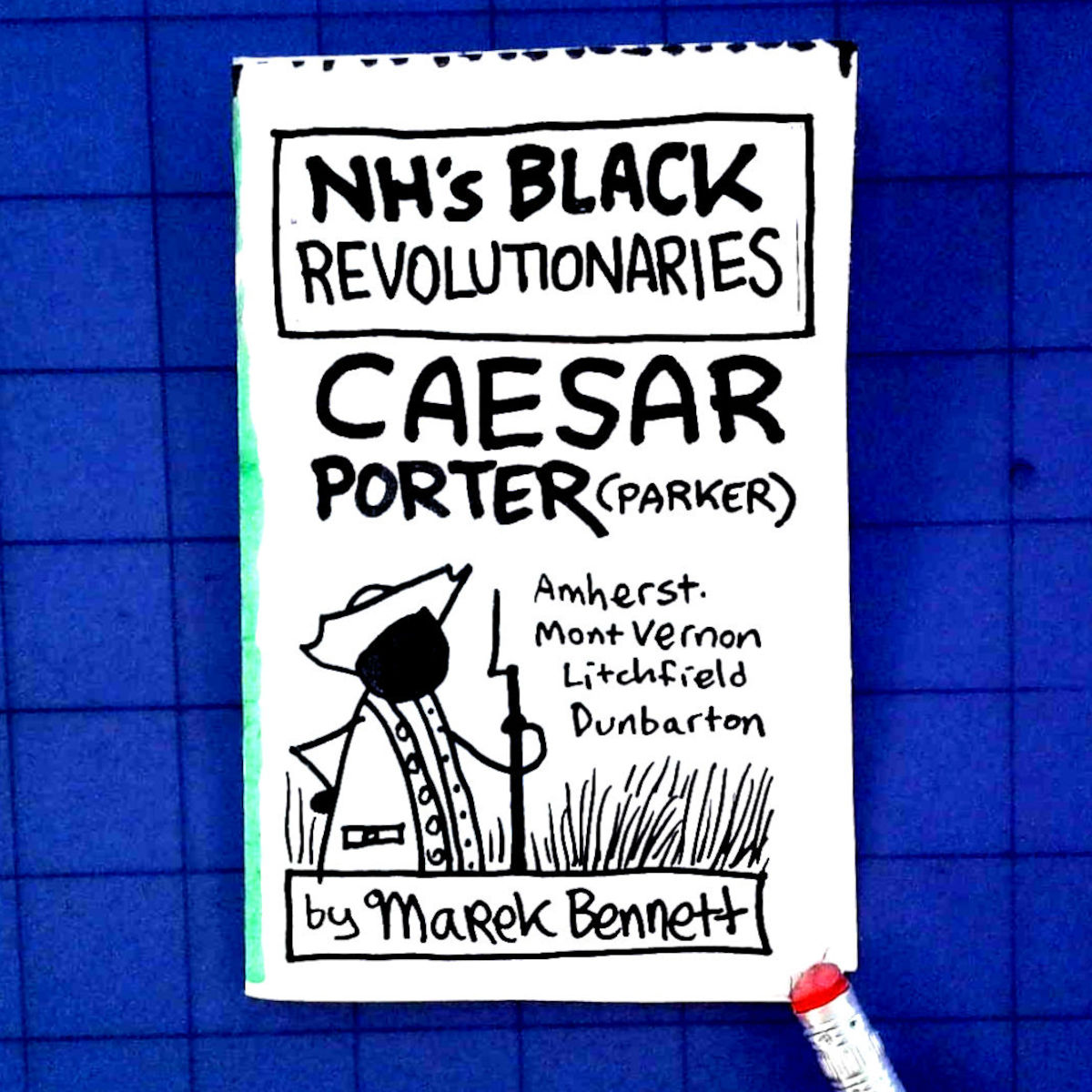
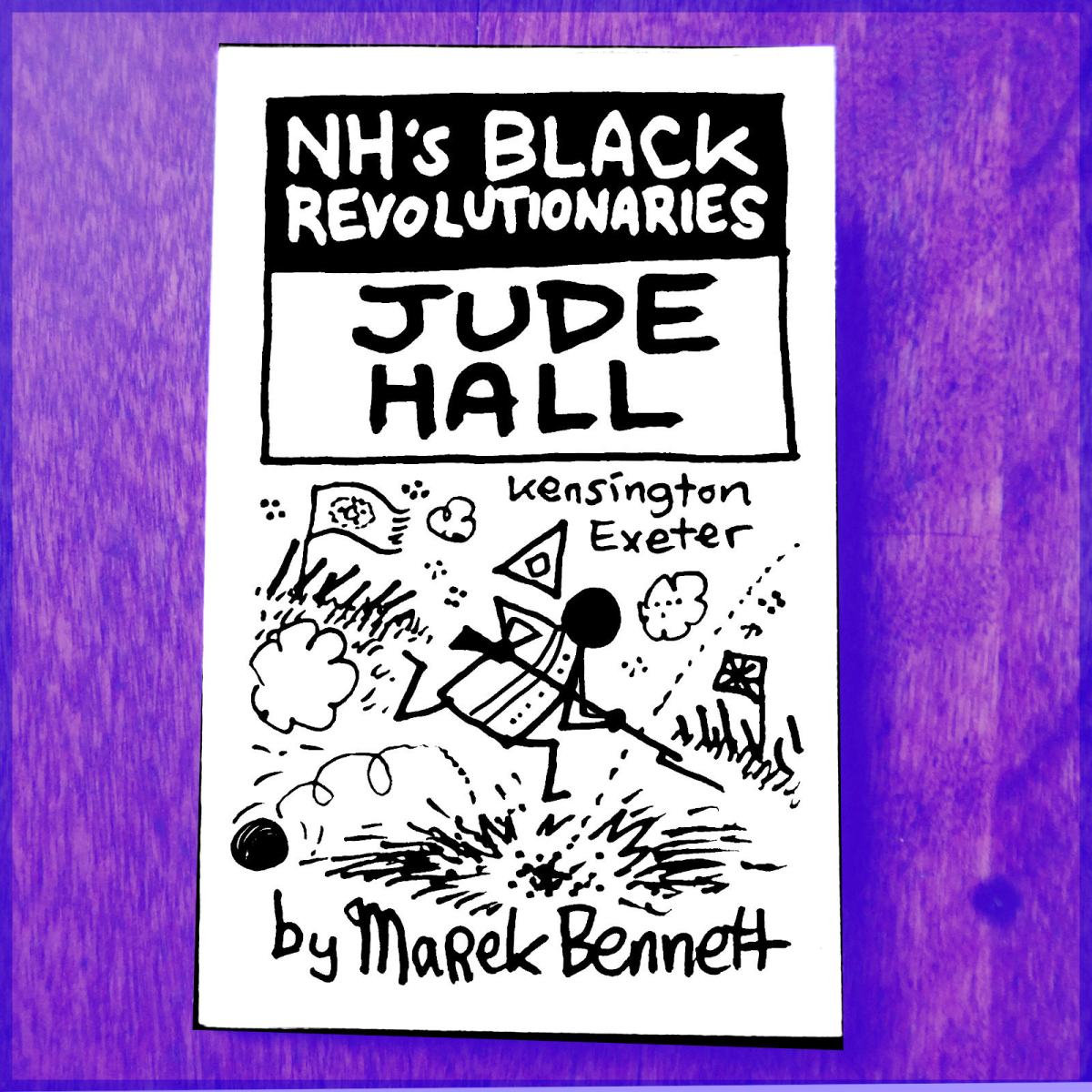
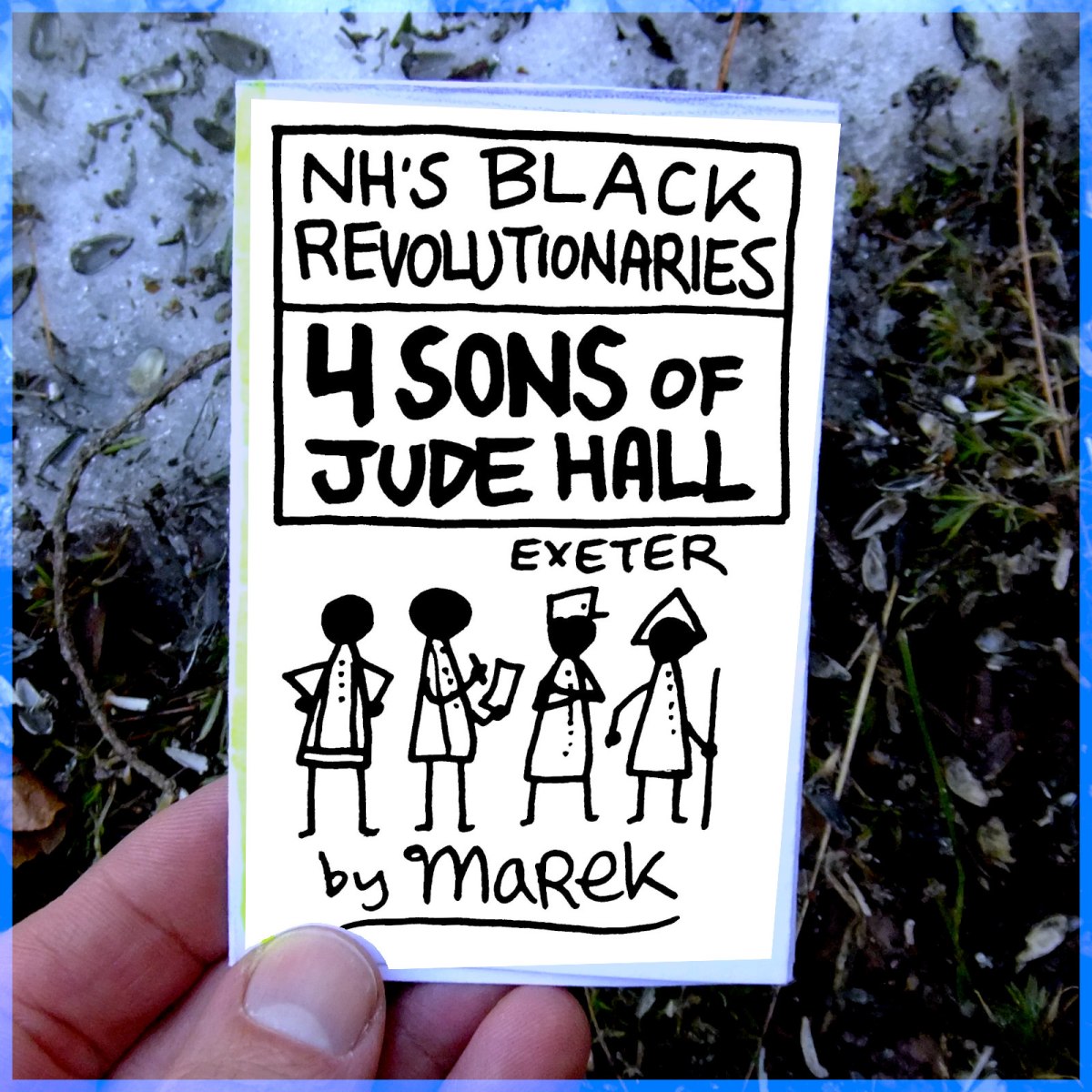
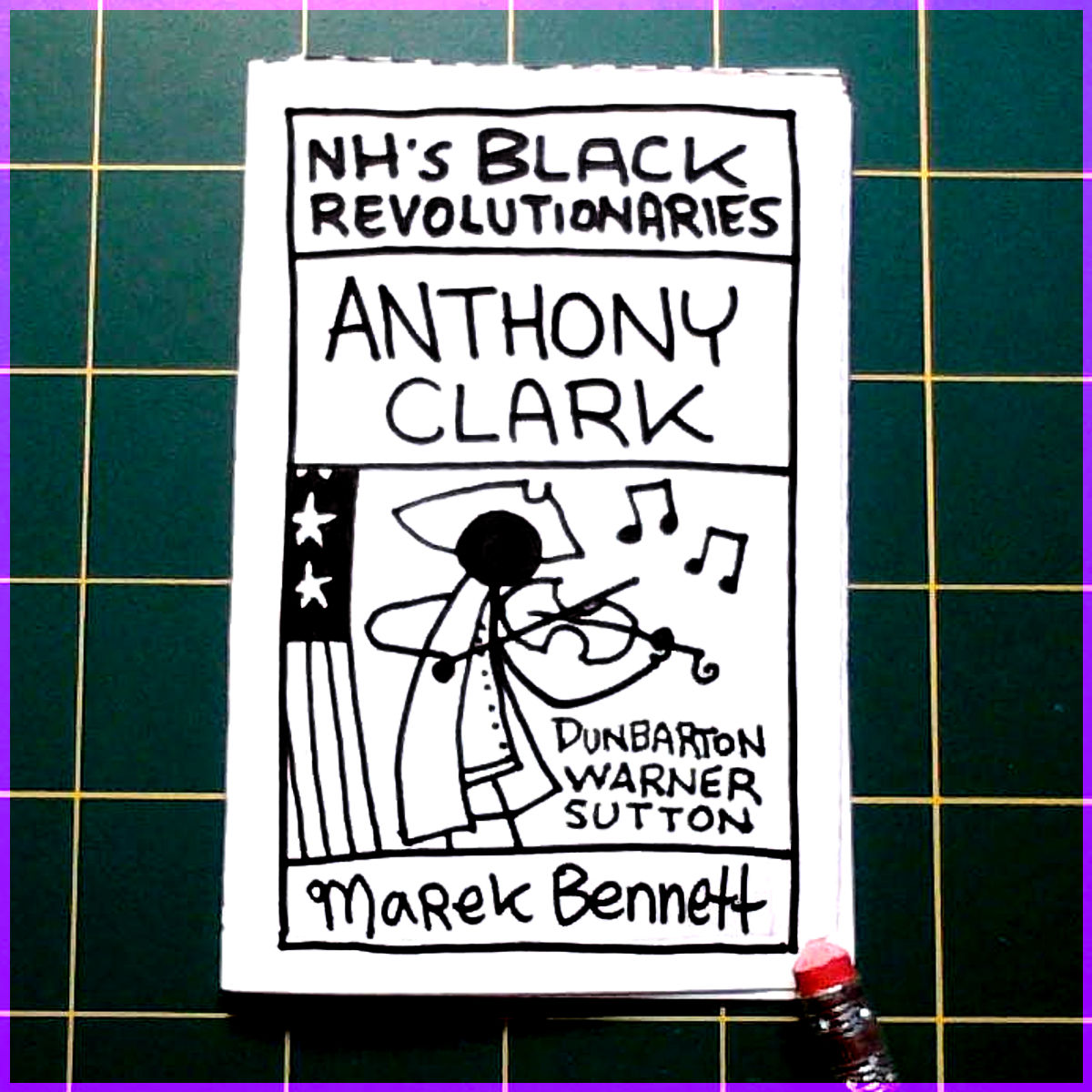
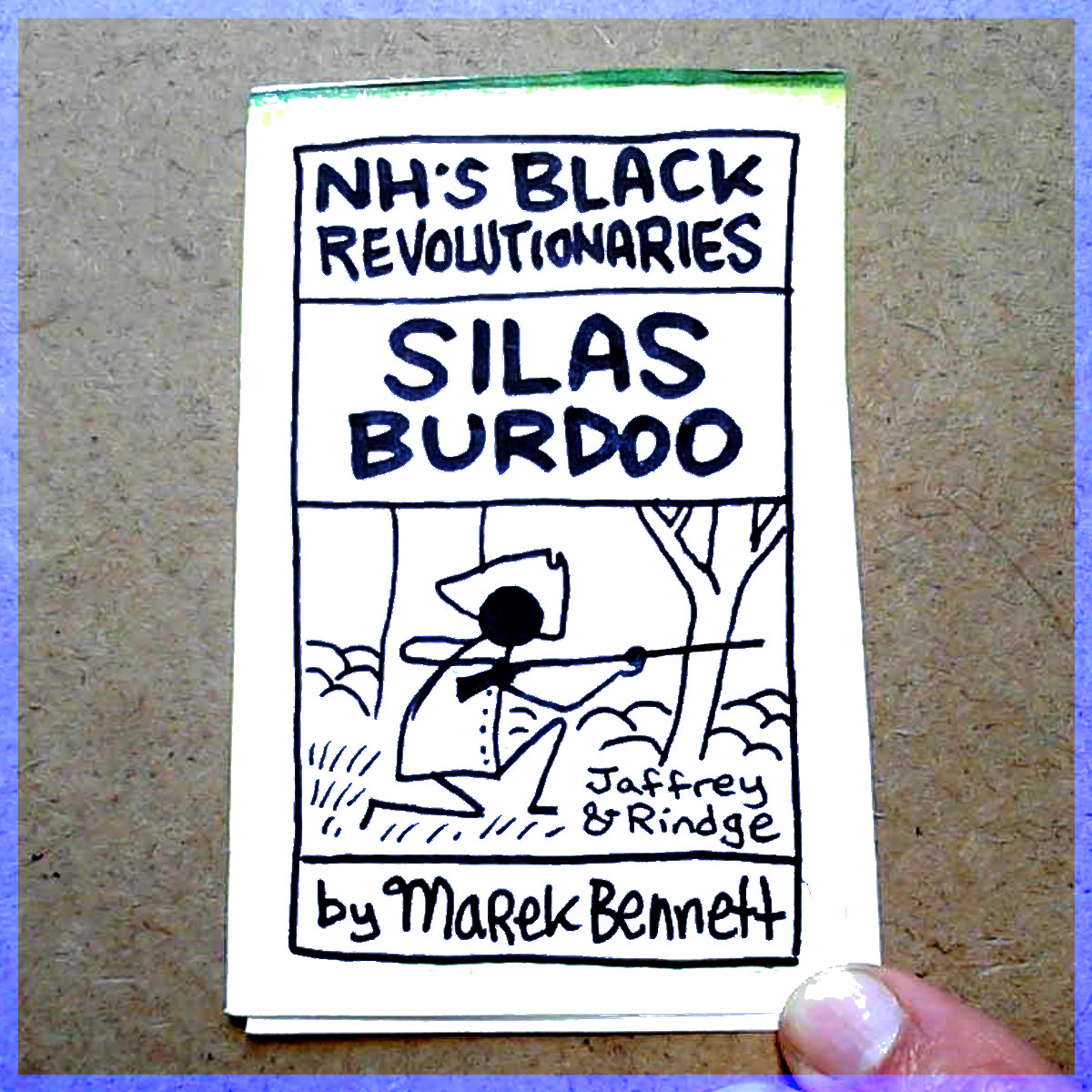
NH’s Black Revolutionaries
Hundreds of African American men from New Hampshire served in the American Revolution. Their stories highlight New England’s complicated history of slavery, freedom, and community.

More REVOLUTION Posts:
Something went wrong. Please refresh the page and/or try again.
Do YOU have a favorite American Revolution story or site that might make a good comic?
🛠️WORKS IN PROGRESS:
SIGNER BIOS: Josiah Bartlett | Matthew Thornton | William Whipple | …
ALSO SEE:
“American Revolution” @ LiveFreeAndDraw.com >>
The original local history comics series that started so many of my projects…
SOURCES & STORIES:
I will add to this list of links as we build the sketchbook:
- 📜Founders.Archives.gov
= Searchable database of docs by key characters of the era! Letters & journals & memoranda, oh my! 😱- Washington, George (31,659)
- Jefferson, Thomas (20,561)
- Adams, John (10,099)
- Madison, James (8,662)
- Hamilton, Alexander (7,637)
- Franklin, Benjamin (4,917)
- Adams, John Quincy (3,524)
- Jay, John (1,772)
- Adams, Abigail (1,287)
- Monroe, James (993)
- Open Yale Courses: The American Revolution
= w/ Professor Joanne Freeman
“The American Revolution entailed some remarkable transformations–converting British colonists into American revolutionaries, and a cluster of colonies into a confederation of states with a common cause–but it was far more complex and enduring than the fighting of a war. As John Adams put it, “The Revolution was in the Minds of the people… before a drop of blood was drawn at Lexington”–and it continued long past America’s victory at Yorktown. This course will examine the Revolution from this broad perspective, tracing the participants’ shifting sense of themselves as British subjects, colonial settlers, revolutionaries, and Americans.”
- 📺America at 250: A History
= An entire semester of classes @ Yale. / “This one-time-only course examines U.S. history from 1776 to the present, in advance of the nation’s semiquincentennial (or 250th birthday) in 2026. Taught jointly by Professors Joanne Freeman, David Blight, and Beverly Gage, the course emphasizes the history of the nation-state and the contested nature of American national identity.”
History of Weare, NH: Chapter XVIII. The Pine Tree Riot (p.185) [Little / 1888]
And now, by the law, the new settler, before he could build his cabin and clear his land, had to get a deputy to put the broad arrow mark on all the king’s pine trees that were to be kept for masts, and then a royal license to cut the rest, for all which he had to pay a good, round sum. If this was not done, the land-owner might be arrested and fined before he had got the “pole and bark roof” on his cabin, or his chimney of “cobbles and clay” topped out, could they but find a white-pine log in his cabin walls.
The law soon became very unpopular with all classes; mill owners wanted the trees to saw; farmers, to build dwellings and barns, and ministers, for nice, new meeting-houses…


